Oven Cleaning in Bromley

Our oven cleaning in Bromley is designed to remove built-up grease, carbonised residue and everyday cooking marks from domestic ovens, hobs, extractor areas and removable components. The aim is a cleaner cooking space with fewer burnt-on deposits affecting heat efficiency, odour and appearance. We focus on careful, methodical cleaning that suits the appliance in place, rather than a quick wipe-down that leaves hidden grime behind. If you want a straightforward service for a well-used kitchen appliance, this is the place to start.
We clean ovens as part of a broader kitchen appliance care approach, with attention to doors, trays, racks, fan covers and the areas people often avoid because they are awkward to reach. Where ovens have multiple compartments or accessories, the process is adapted to the model and the condition of the appliance. Every job begins with the same priority: work neatly, protect the surrounding kitchen and leave the oven ready for regular use once the cleaning process is complete.
For a quotation, it helps to describe the appliance type, how many ovens or hobs need attention and whether there are separate accessories or awkward access points. You can also use the site’s normal enquiry route to ask about availability and request a quote. If you are comparing options, the detail on this page should give you a useful picture of what the service covers and where the work is most effective.
What our oven cleaning service covers
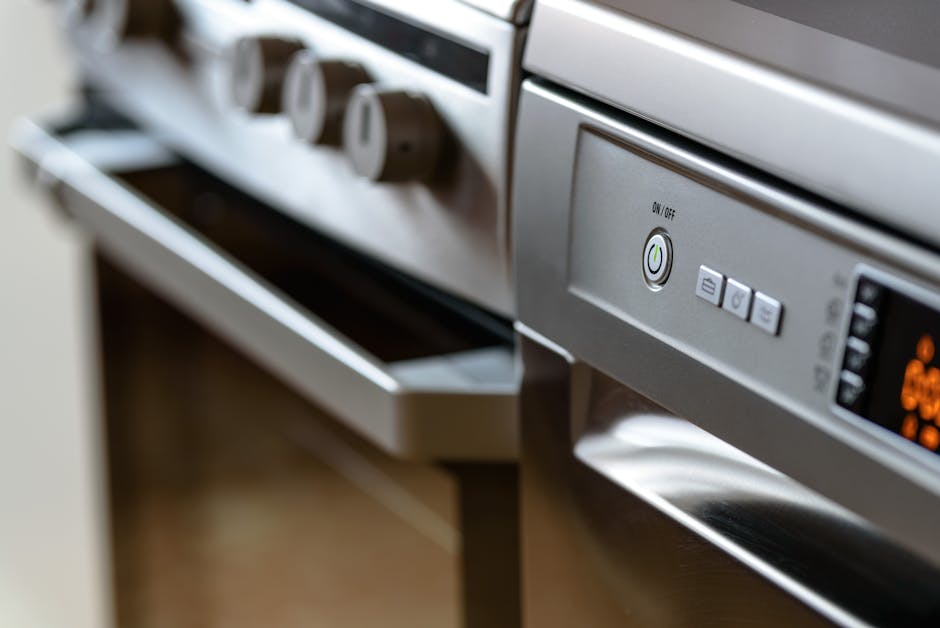
We clean a wide range of domestic oven styles, including single ovens, double ovens, built-in units and range-style appliances, along with the removable parts that collect the heaviest residue. The work is practical and targeted: grease softening, interior wiping, residue removal, door glass cleaning and attention to the areas around seals and hinges where dirt often settles. This is not a decorative polish; it is a detailed cleaning process aimed at restoring a more usable cooking appliance.
Customers often want clarity on what is included before they enquire. In simple terms, we focus on the parts of the appliance that most affect hygiene and appearance. Typical tasks include cleaning the cavity, racks, trays, doors and control areas where appropriate, while handling each appliance in a way that suits its finish and construction. If a surface needs a gentler approach because of coatings or age, the method should reflect that rather than forcing a one-size-fits-all routine.
Useful service areas within the cleaning process often include:
- oven interiors and side panels
- racks, shelves and trays
- glass doors and visible fronts
- hob surroundings and splash-prone areas
- extractor casing and accessible edges
Deep cleaning for built-up residue

Some ovens only need routine maintenance, while others have layers of burnt-on residue from roasting, baking or repeated high-heat cooking. Deep cleaning is the more suitable option where standard wiping has stopped making a difference. It allows more time to work on stubborn deposits and to deal with the type of grime that collects in corners, around fan covers and along the base of the cavity. This is where a careful approach is more valuable than speed.
The practical value of deep oven cleaning is in the detail. The appliance can look acceptable at first glance, yet still have embedded residue affecting smell, cleanliness and the sense of order in the kitchen. A deeper service takes account of those hidden areas and works through them systematically. When done properly, the result is not just visual improvement but a more manageable appliance for everyday cooking and maintenance.
Where build-up is especially heavy, it can help to describe the condition clearly when requesting a quotation. Mentioning whether the oven has not been professionally cleaned for some time, or whether grease has become concentrated around certain areas, gives a clearer basis for pricing discussion. That does not need to be elaborate; a straightforward description is usually enough to guide the estimate.
Built-in ovens, hobs and surrounding kitchen areas
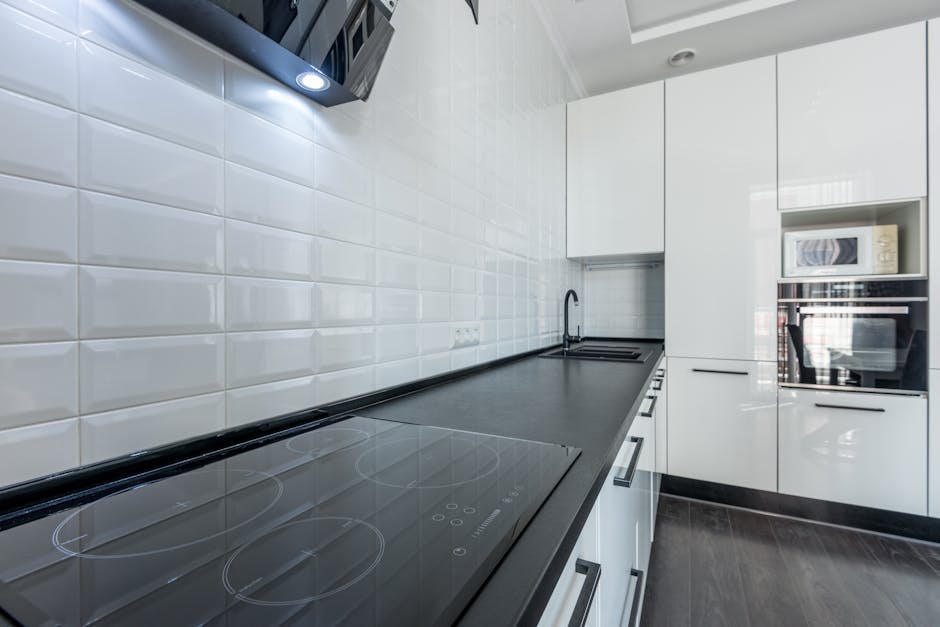
Oven cleaning is rarely limited to the cavity alone. Many customers need the surrounding cooking area refreshed at the same time, especially where splashes have dried on the hob, fascia or adjacent surfaces. A sensible service can include careful attention to the visible cooking zone so the whole area feels more coordinated once the main appliance has been cleaned. That helps avoid the common situation where the oven looks improved but the immediate surroundings still appear tired.
When handling adjacent surfaces, we keep the work focused on accessible, relevant areas and avoid overcomplicating the job. Not every kitchen needs the same level of treatment, and some finishes require more care than others. Glass, enamel, stainless steel and coated surfaces can each benefit from a different touch, particularly when residue has been allowed to dry on. Good cleaning is about matching the method to the material, not applying the same pressure everywhere.
For customers thinking about the scope of work, it is often useful to separate the main appliance from supporting areas. That makes it easier to decide whether you want just the oven cleaned, or whether the hob, extractor exterior and nearby splash-prone surfaces should be included too. If you are unsure, it is reasonable to ask for a quotation based on the parts you want handled and then refine the booking from there.
Why detailed appliance care matters
Cooking appliances are exposed to heat, fat and steam every day, so residue does not build up evenly. Some areas collect more carbon than others, while trays and racks may show staining even when the cavity seems passable at a distance. A detailed cleaning service addresses the appliance as a working piece of kitchen equipment, not just a surface to be polished. That difference matters when you want a result that feels properly finished rather than superficially touched up.
For many households, the decision to book oven cleaning comes down to the amount of effort needed to restore the appliance safely and neatly. Scrubbing by hand can be time-consuming and often produces patchy results, especially when build-up has hardened over time. A structured service is helpful because it works through the awkward parts in an orderly sequence, paying attention to the details that are easy to miss during regular domestic cleaning.
If you are preparing to make an enquiry, a short note about the appliance type and condition is usually enough. There is no need to over-explain; the key is simply to identify whether the job involves a single appliance, multiple cooking units or a particularly stubborn level of residue. Clear details at the outset tend to make quoting easier and help the service match the work more closely to your needs.
How we approach stubborn grease and staining

Not all oven staining behaves the same way. Fresh splashes may wipe away readily, while older grease can bond to surfaces and require more patient treatment. We approach these problems in stages so that each area gets the right level of attention. That might mean loosening deposits first, working through the cavity carefully, then returning to smaller details such as edges, seals and removable parts once the heavier residue has been addressed.
This careful method is especially useful where appliances have been used frequently for roasting or baking. Those cooking patterns often leave greasy film in places that are not immediately visible, including upper surfaces, around internal corners and behind removable items. By focusing on those parts systematically, the service helps the oven look cleaner overall and reduces the chance of overlooked residue spoiling the final result.
When asking for a quotation, it is sensible to mention whether the oven has detachable pieces, multiple compartments or a combination of cooking appliances in one installation. That allows the estimate to reflect the actual amount of work involved. A good enquiry is concise but informative, and it can save time later if the service is arranged around the correct appliance layout from the outset.
Service options for different oven types
Households use many different oven designs, and the cleaning requirements vary accordingly. A compact single oven does not present the same amount of work as a larger range-style unit, while a double oven brings its own internal divisions, trays and surfaces to manage. The practical point is that the service should fit the appliance rather than forcing the appliance into a generic process. That flexibility makes the result more consistent.
Some customers only need the main cavity and door cleaned, while others want a fuller treatment that includes trays, racks, fan covers and surrounding cooking fixtures. The most suitable option depends on the condition of the appliance and the level of residue present. If you are deciding between a lighter clean and a deeper clean, think about how much build-up is visible, how long it has been since the last professional service and whether the cooking area contains multiple items that all need attention.
Two simple ways to narrow the scope are to identify the appliance style and to note any extra parts you want included. That might be enough for a quotation without turning the enquiry into a lengthy description. Specific, practical information usually gives a better result than vague phrases, because it lets the service align the work with the actual kitchen setup.
About Bromley
Bromley is a large town in south-east London with roots that stretch from a historic market settlement into a modern suburban centre. The town grew around routes linking London with Kent, and its development has been shaped by transport connections, residential expansion and the gradual mixing of older civic buildings with later retail and housing areas. The name is also used more broadly for the wider London Borough of Bromley, which covers a substantial and varied stretch of south-eastern Greater London. Within the town centre, the High Street and surrounding streets still provide a sense of long-established urban activity, while newer commercial and residential development has added a more contemporary edge. Bromley’s layout reflects that blend: formal civic spaces, shopping streets, residential roads and open green areas all sit within a town that has changed steadily over time rather than all at once.
Preparing for a quotation
A clear quotation starts with practical details rather than lengthy explanation. If possible, note the number of ovens involved, whether there is a hob or extractor to include, and whether the appliance has obvious heavy build-up or only routine dirt. Photos can be useful when they show the relevant surfaces plainly, but they are not the only way to describe the work. The main goal is to make the enquiry specific enough that the service can understand the size and condition of the job.
It also helps to mention any features that affect access, such as awkward positioning, tight surrounding cabinetry or removable parts that need more careful handling. That kind of detail can influence the time needed and therefore the quotation. If you are not sure what to include, keep it simple and focus on what is visible and relevant. A brief but accurate description is better than a long message that leaves out the important parts.
Once you have the basics, you can move forward in the way that suits you best: review the service options, compare the likely scope of work and ask for a quotation when you are ready. If your kitchen has more than one appliance needing attention, it is often easiest to list them together so the estimate reflects the full job rather than only part of it.
Cleaning removable parts and finishing details

Removable parts are often the most revealing part of an oven clean because they show how much residue has been trapped during regular use. Racks, trays and similar components usually need patient attention, especially if grease has hardened over repeated cooking cycles. Cleaning them properly helps the overall appliance look more coherent, rather than leaving one section bright and another still marked. It also improves the impression the oven gives when opened and used day to day.
Finishing details matter too. Door glass, control surfaces and the areas around handles or edges often need a lighter touch than the main cavity, but they still contribute significantly to the final result. Attention to these parts gives the appliance a more complete finish and avoids the uneven look that can happen when only the obvious interior is cleaned. In practical terms, it is the difference between a quick tidy and a considered service.
For some customers, this level of detail is exactly what they want from domestic oven cleaning in Bromley: not a cosmetic pass, but a proper clean across the parts that matter most. If that is the standard you are looking for, a quotation request should be based on the appliance type and the pieces you want included, so the work is matched to the right scope from the beginning.
Choosing the right level of service
One reason oven cleaning requests vary so much is that households use their appliances differently. Some cook daily and accumulate residue steadily, while others only see occasional use but still have isolated patches of baked-on material. Choosing the right level of service means thinking about how the appliance is used, what is visible now and which parts are most important to you. That can help you avoid paying for more than you need, or booking too little for the state of the oven.
There is also a difference between a quick refresh and a deeper restoration clean. A refresh may suit a relatively tidy appliance, whereas a more extensive service is better when grease has hardened, internal surfaces are stained or the oven has not been cleaned properly for some time. If you are comparing those options, ask yourself whether you want the oven simply neatened or whether you want the cleaning to address stubborn residue in a more thorough way.
Using the service pages and quotation route together can be helpful when you are deciding. Review the scope of the main appliance clean, consider whether any extra kitchen fixtures should be included and then send a concise enquiry. That gives you a practical basis for moving forward without overcomplicating the process. When the details are clear, the quote is usually clearer too.
Useful details to include in an enquiry

If you want an accurate quotation, the most helpful information is usually simple: appliance type, number of items, visible condition and whether anything else in the cooking area needs attention. You do not need to write an essay. A short message that identifies the main job and any notable features is often enough to begin. That keeps the process efficient and helps avoid back-and-forth just to establish the basics.
In many cases, the best enquiries combine a brief description with any practical notes that might affect access or cleaning time. For example, a tightly fitted oven, a range cooker with multiple sections or a hob with stubborn residue will naturally require more context than a straightforward single oven. The more accurate the initial description, the easier it is to match the work to the right service level and supply a sensible estimate.
If you are ready to move ahead, use the site’s normal contact route to request a quotation and explain the appliance or appliances you want cleaned. For many customers, that is the simplest step between deciding to book and setting the job in motion. Once the basics are provided, the next stage is simply to agree the scope and choose the most suitable clean for your kitchen.